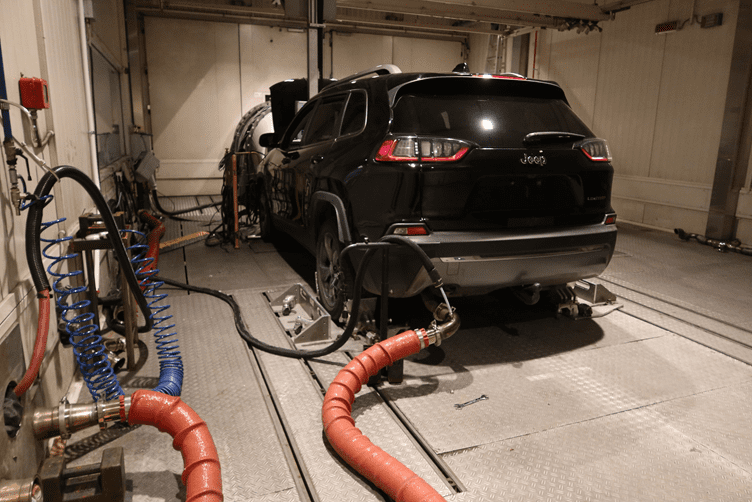
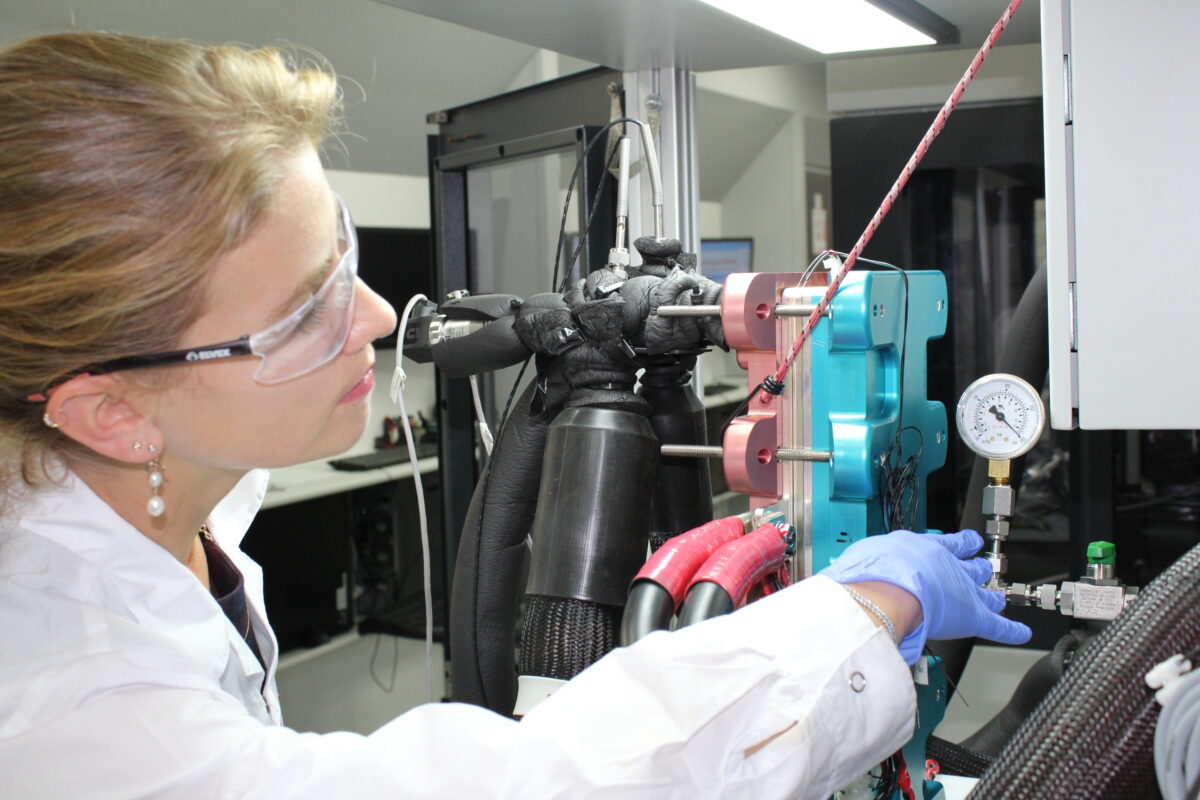
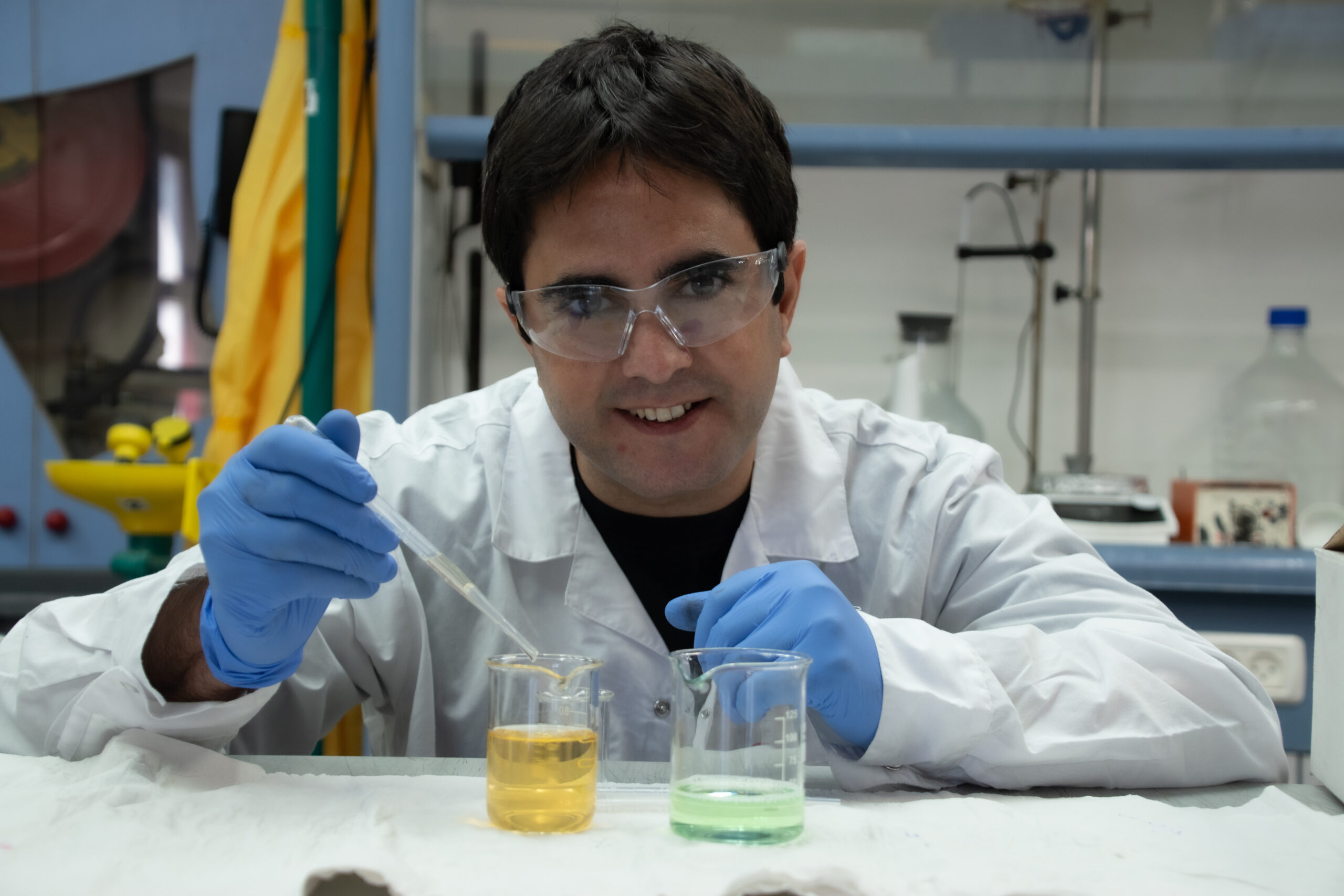
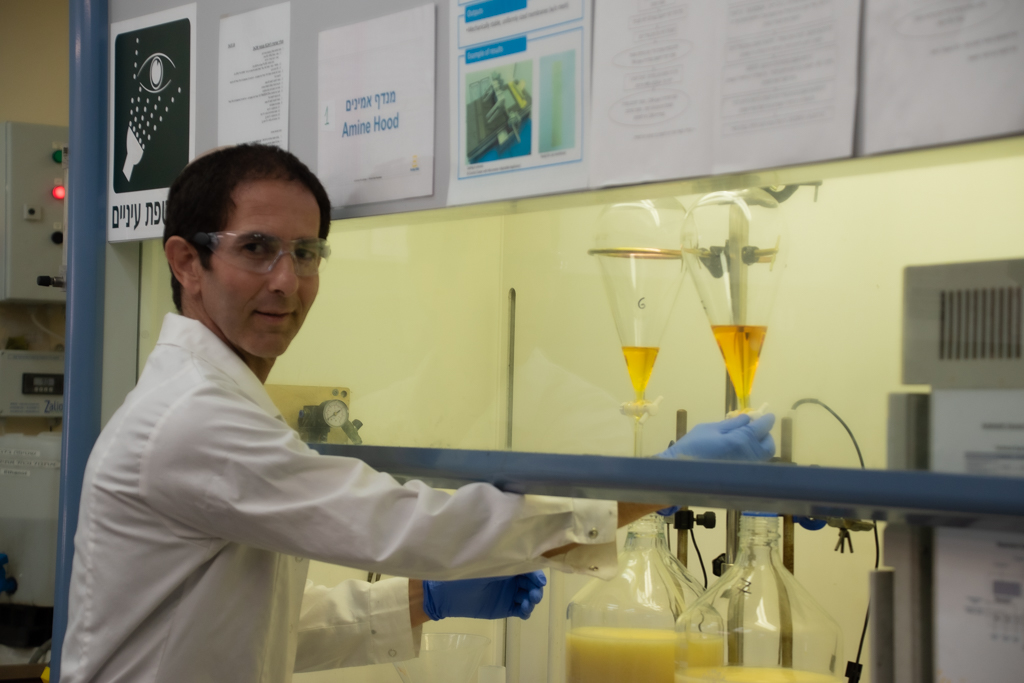
In ECO2Fuel, CRF provide crucial information about the features of the diesel -alcohol blend produced within the project, helping the partner to calibrate this formulation in order to obtain a product that is compliant with the current standard in this field.
Source: CRF
Alcohols have an interesting potential as blending components for diesel fuels: if their production derives from renewable sources, they could contribute toward increasing the renewable fraction of these fuels and reducing their environmental impact.
The major limitations in fueling this blends in a diesel engine are the poor miscibility between alcohol and diesel, which leads to a phase separation, but also the lower flash point, cetane number, kinematic viscosity and energy content and higher heat of vaporization. As a consequence of their lower polarity, short-chain alcohols depict worse blending stability than alcohols of three or more carbons (propanol and higher).
To stabilize alcohol-diesel blends and to ensure fuel homogeneity under all temperature conditions, it is indispensable the use of additives as alcohol with longer chain (cetanol and dodecanol) or the biodiesel (FAME).
CRF performed a wide literature research to obtain an experimental matrix of possible diesel-alcohol (ethanol and propanol, the main products of the project) blends with different content of additives, in order to evaluate the most suitable and stable blend in all the conditions.
These stability tests will be performed by UPV and the blends that show the most interesting features will be tested in CRF, in order to assess their compliance with the standard reference norm EN590: “Automotive fuels – Diesel – Requirements and test methods” the current standard for all automotive diesel fuel sold in the European Union member states and other European countries.
Manuel Molina Muriel, PhD from UPV, carried out his research activity at the CNR-ITAE Institute in Messina for 3 months (July to September).
During this time, some of the materials synthetized in UPV were tested as electrocatalysts for the CO2 electroreduction reaction, in the framework of European project ECO2Fuel.
The main objective of this research collaboration was the evaluation of the catalytic activity of a series of materials for the electroreduction of CO2 to CO, hydrocarbons and/or alcohols, in the framework of the ECO2Fuel project.
This is indeed a truly relevant process for the successful transition to a cleaner energy production, since the CO2 originated as by product in multiple processes can be converted to fuels instead of being liberated to the atmosphere.
The electroreduction of CO2 bears several challenges, one of which is that the central reactant is in the gas phase. Due to that, when using conventional electrodes, the conversion of CO2 to valuable chemicals and fuels would proceed at a slow rate, rendering the process uneconomical.
The low concentration of CO2 in the electrolyte caused by its negligible solubility limits the mass transport at the electrode surfaces. To cope with this challenge, electrodes with an engineered porous structure were developed that drastically enhance the contact between the electrode, CO2 and the electrolyte; the three-phase boundary (TPB).
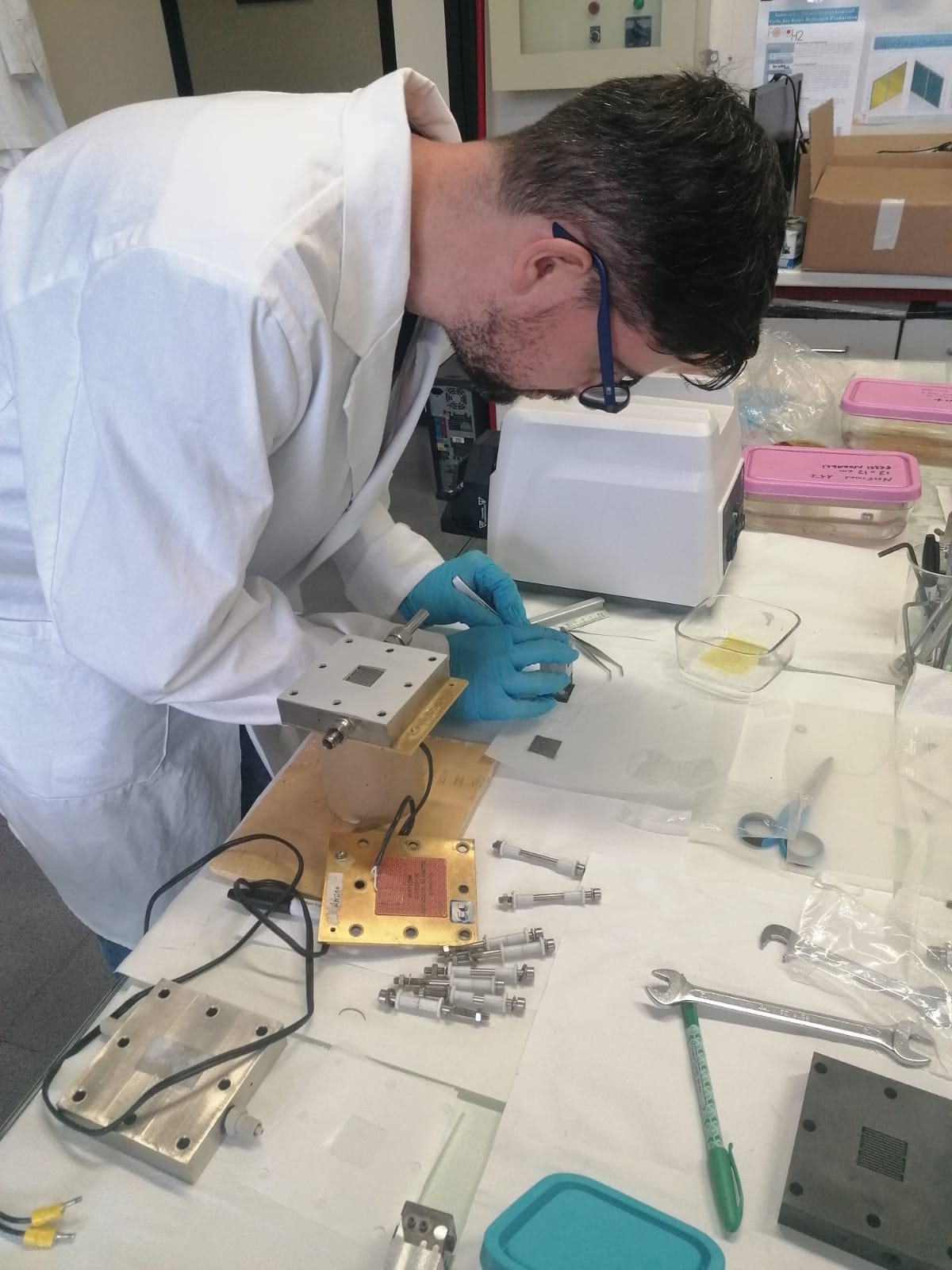
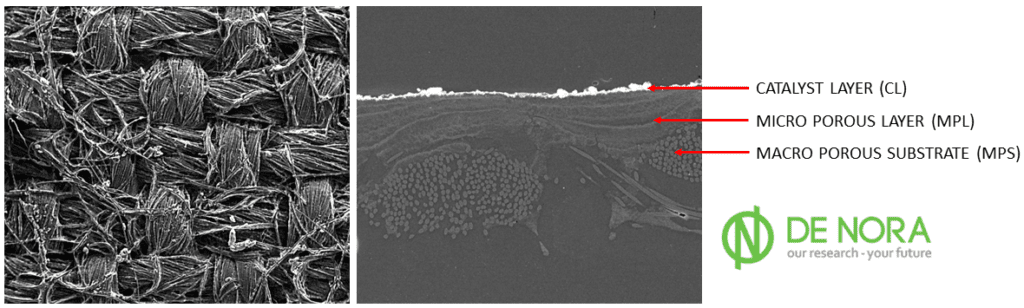
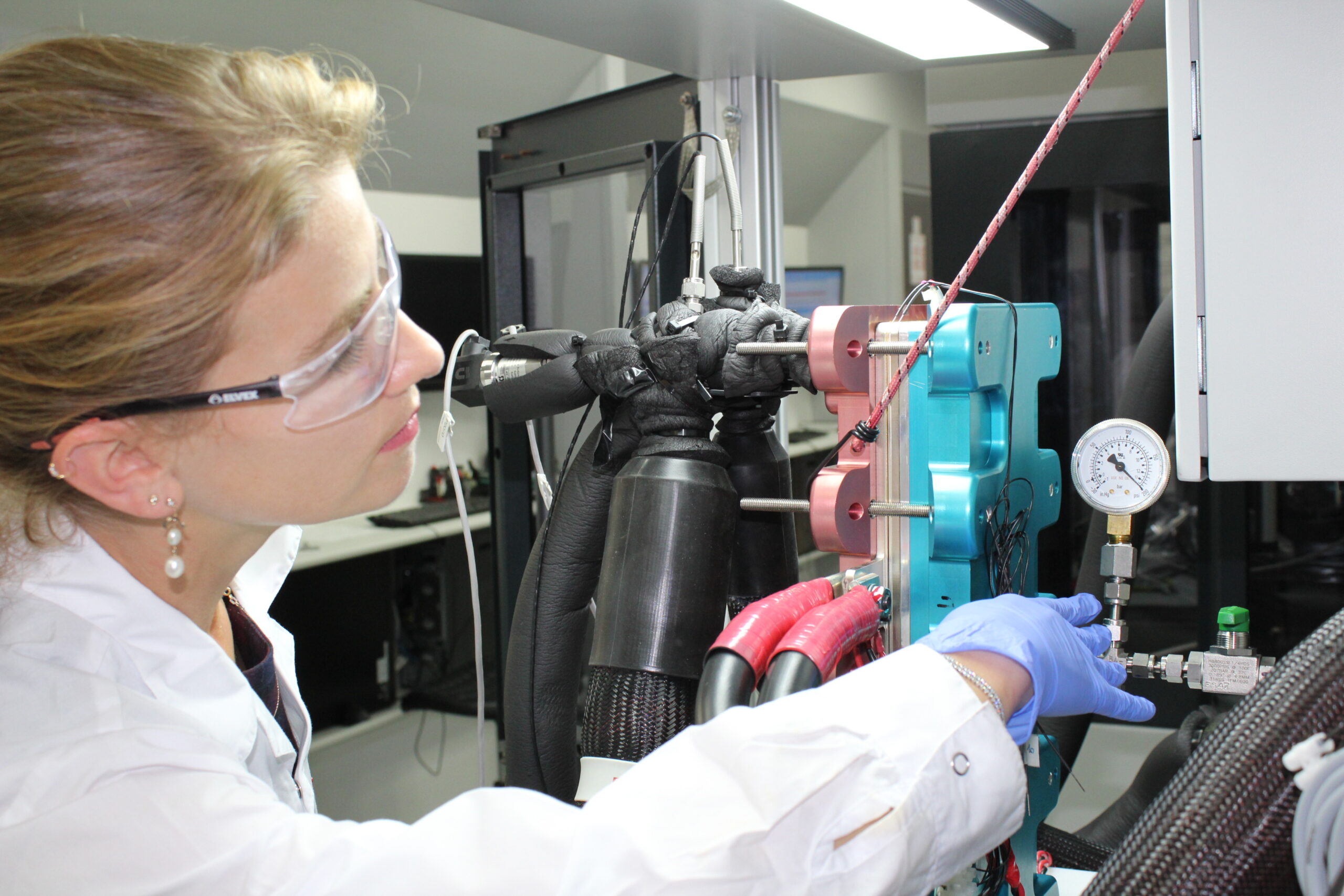
Source: De Nora
These enhanced electrodes, also known as gas diffusion electrodes (GDE), with improved mass transport kinetics, consist of a Macro Porous Substrate (MPS), a Micro Porous Layer (MPL) and the Catalyst Layer (CL), the latter consisting of a CO2 reduction catalyst and a polymeric binder.
Among varying many other parameters through which the GDE can be optimized to facilitate the electroreduction of CO2 efficiently, altering the porosity, hydrophobicity, and thickness of all three components display the most important ones.
“It’s important to design the right GDE structure in order to avoid the flooding and therefore loss of stability and activity” says Luca Riillo, Junior Researcher at De Nora.
In the ECO2Fuel project, we aim to provide an optimized GDE with high stability, performance, and selectivity toward liquid e-fuels.
Headquartered in Zwevegem, Belgium, NV Bekaert SA has remained one of the industrial partners directly involved in the ECO2FUEL project. For several years, Bekaert has been an active component supplier of metal-based porous transport layers (PTL) and gas diffusion layers (GDL) for water electrolysis. Its strong ambition toward innovation and process know-how poises Bekaert to continue leveraging technology to create adjacent technologies and optimized applications.
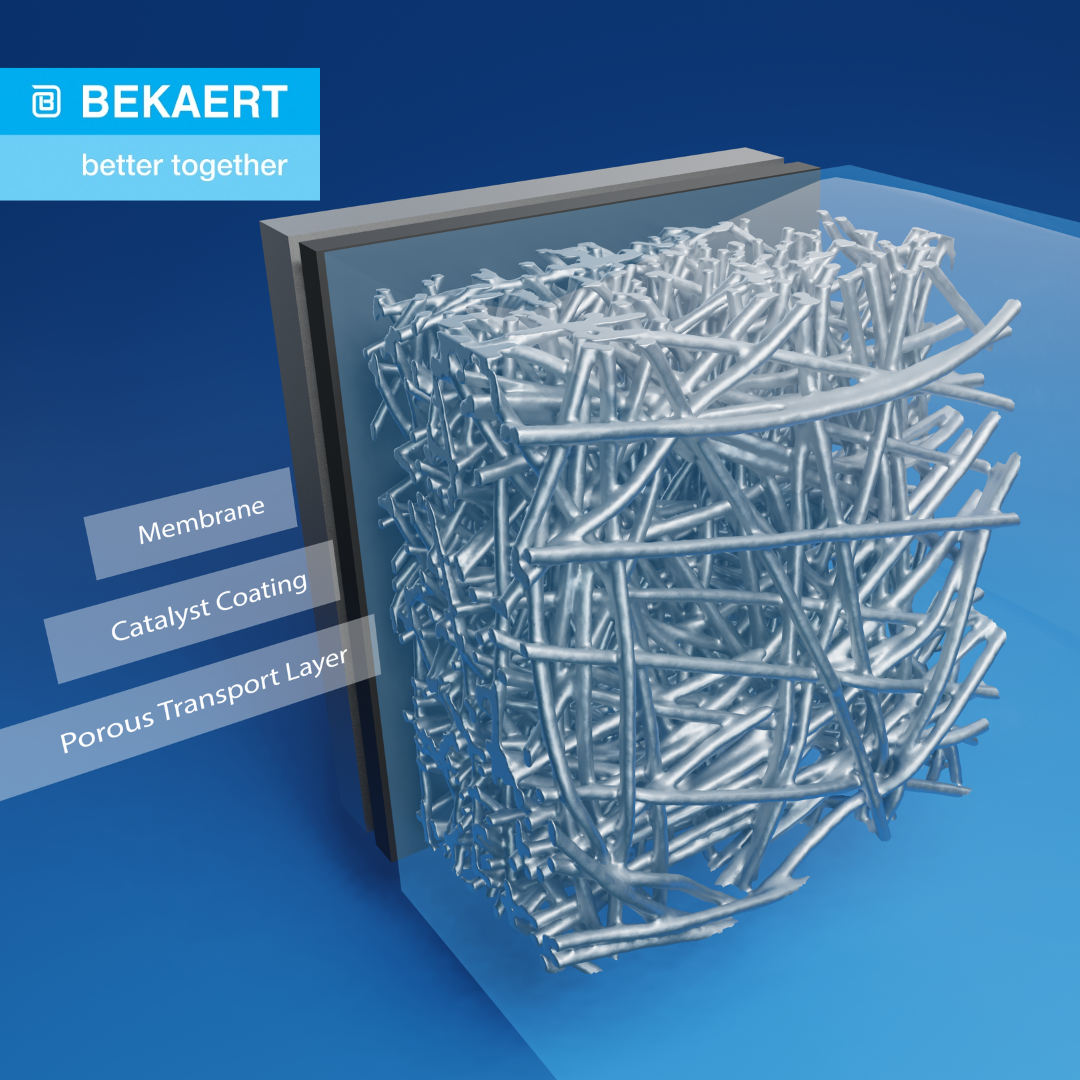
Source: Bekaert
In the ECO2FUEL project, Bekaert contributes to the following areas:
– Develop Ni PTL continuous roll manufacturing process
– Understand the importance of optimized PTL/GDL designs
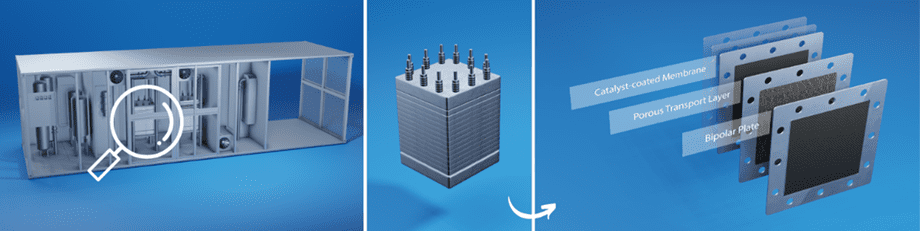
In terms of electrolysis cells, PTL/GDL is one of the most critical components of multiple functionalities facilitating the electrolysis process, including:
– Efficient, homogeneous mass transport and gas diffusion
– High electrical and thermal conductivity
– Low contact resistance for high interaction (between the catalysts and exchange membrane)
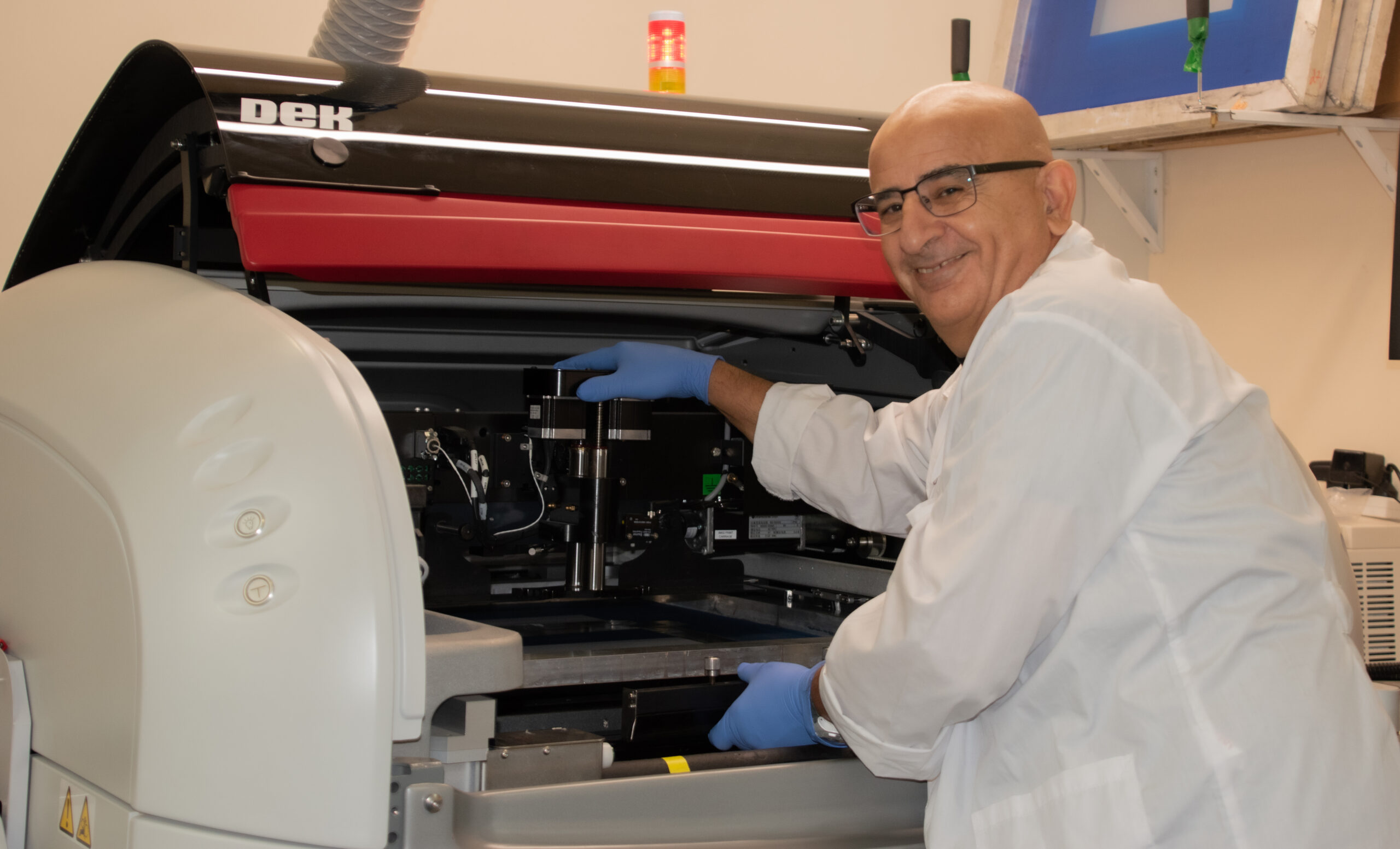
Source: Bekaert
One challenge the project presents demands the need for PTL/GDL to guarantee longevity and durability. Bekaert achieves this through optimal mechanical properties and improved resistance to corrosion. Although, for example, the proposed electrolyzer concept deposits the catalyst on the electrodes, the proposed PTL/GDL design facilitates a simplified and homogeneous coating. Therefore, an optimal product design and an efficient manufacturing process were proven essential to the proposal’s overall success.
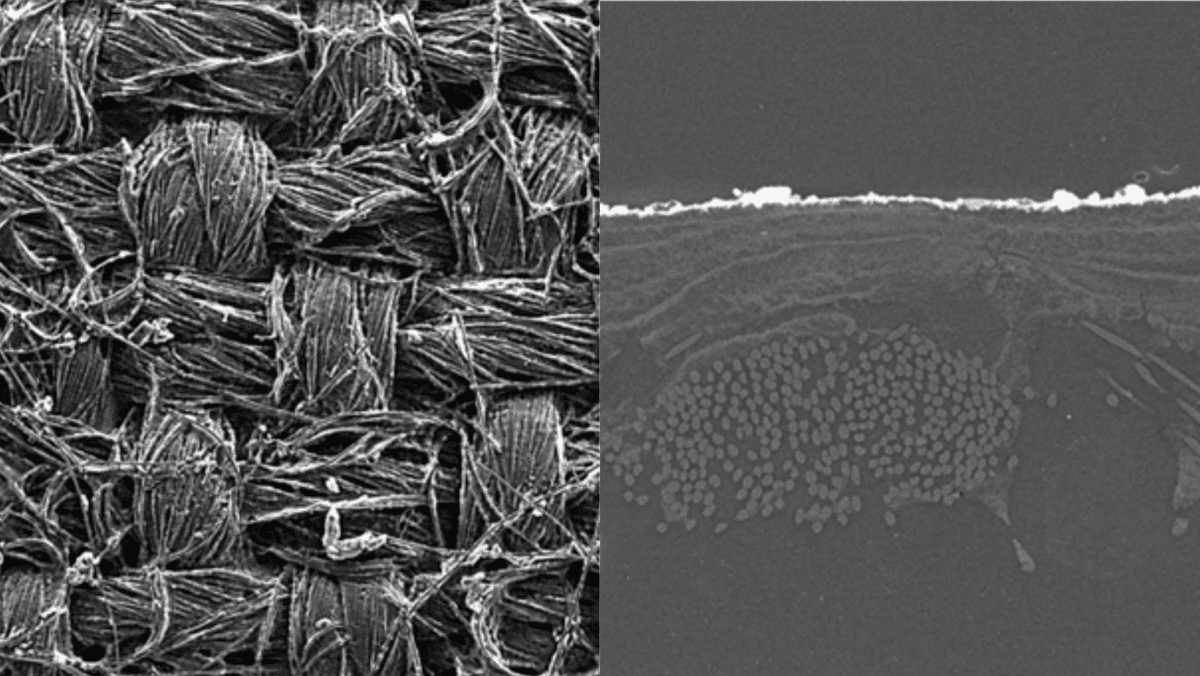
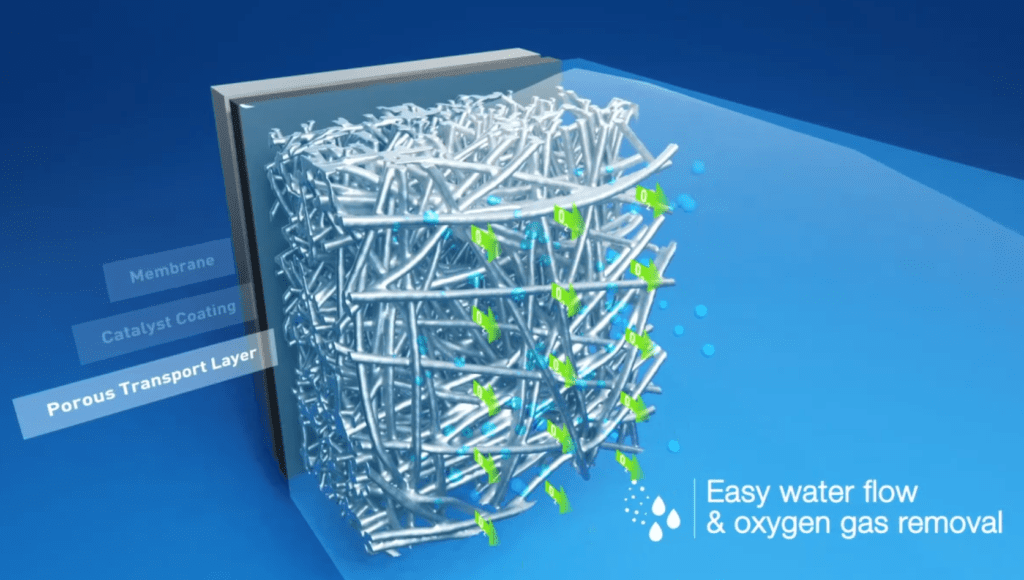
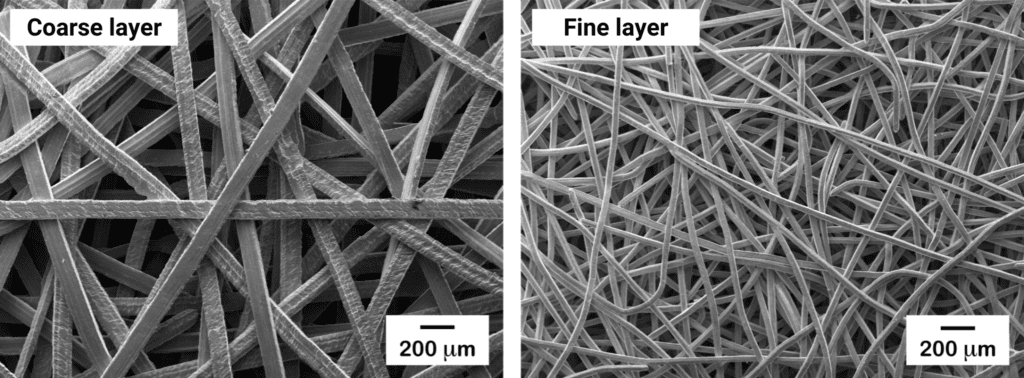
As part of the ECO2Fuel project, Bekaert’s role in providing PTL/GDL designs was geared toward identification and evaluation for use as prototypes and upscaling. The manufacturing process for metal-based PTL/GDL consists of 3 steps:
– Manufacturing of metallic fibers (nickel anode)
– Randomly distributed/oriented green state porous fiber structure
– Fiber binding heat treatment
Source: Bekaert
Throughout the manufacturing process, Bekaert has developed and achieved methods to manipulate various aspects of metal fibers (i.e., diameter, porosity, thickness, multilayers, etc.). This success is due to Bekaert’s endeavor to test numerous production possibilities to identify the most efficient design possible. As a result, Bekaert’s design provides the foundation for the ECO2Fuel project to expand the PTL/GDL technology to a larger scale.
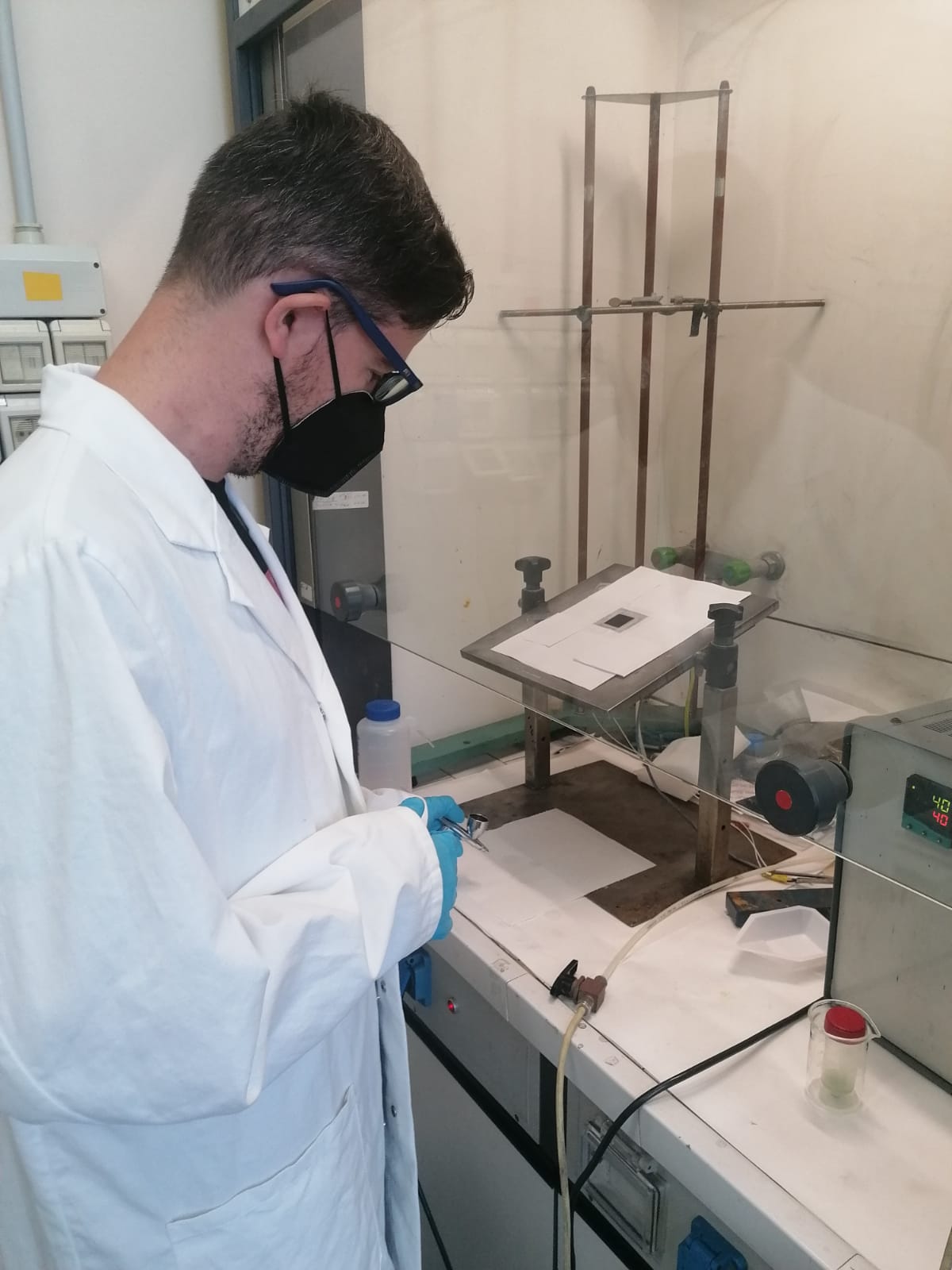
As part of their effort to optimize the operation even further, Bekaert continues investigating the impact of the catalyst coating process on the PTL (and vice versa). Typically, the application process involves the application of the coating directly onto the exchange membrane. However, the porous nature of the metallic structure poses unique challenges during the catalyst application. Due to the material’s inherent difficulties, this procedure requires the application of ink through a film coating or spray process. Bekaert utilizes lab-scale testing to investigate the impact on coating processes and identify optimization possibilities.
Looking toward the future, Bekaert plans to develop the manufacturing process further to supply Ni PTL in a continuous format. Although it is manufacturing large sheets, Bekaert intends to create a continuous structure to simplify the downstream process cost-efficiently. By developing such a process, Bekaert can successfully streamline the catalyst coating application process and reduce PTL scrap.
Informative lectures, goal-oriented discussions and interactive workshops.
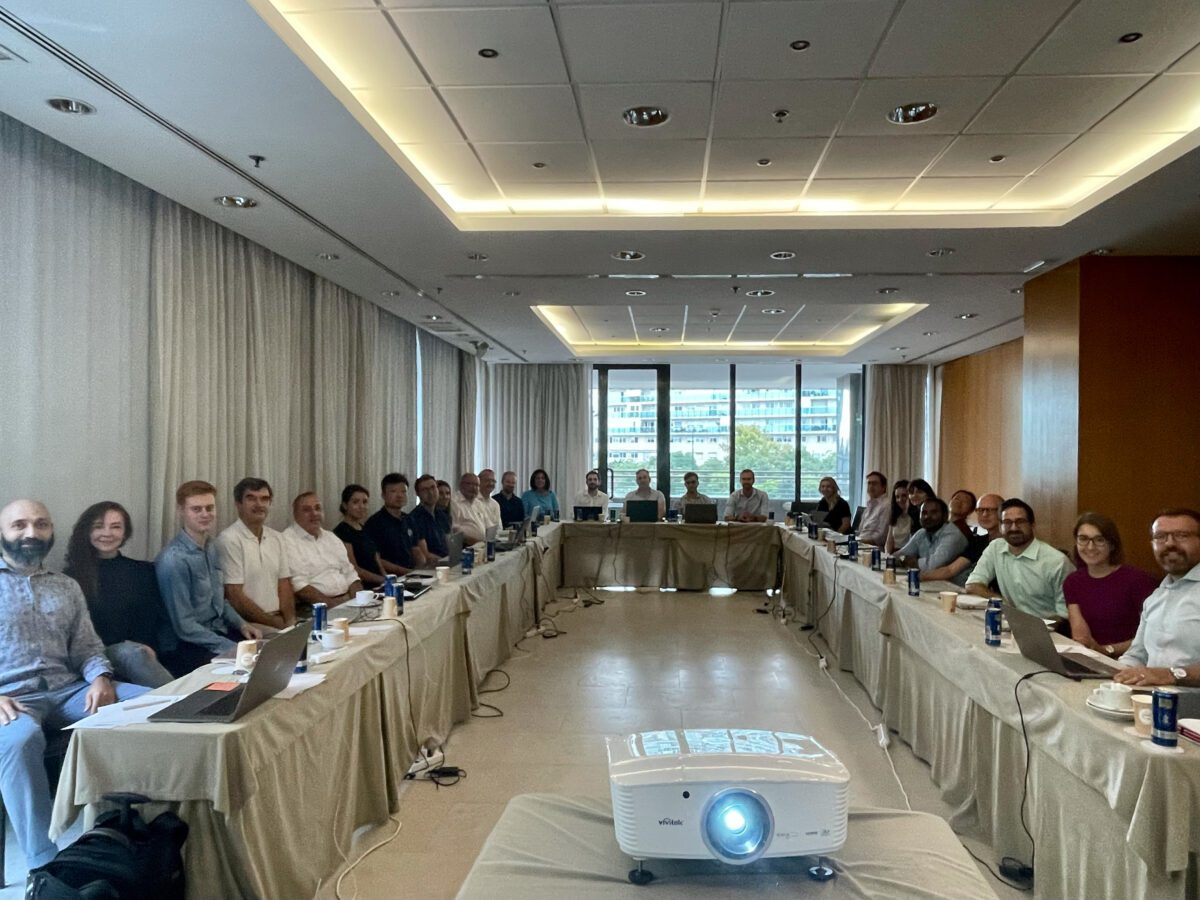
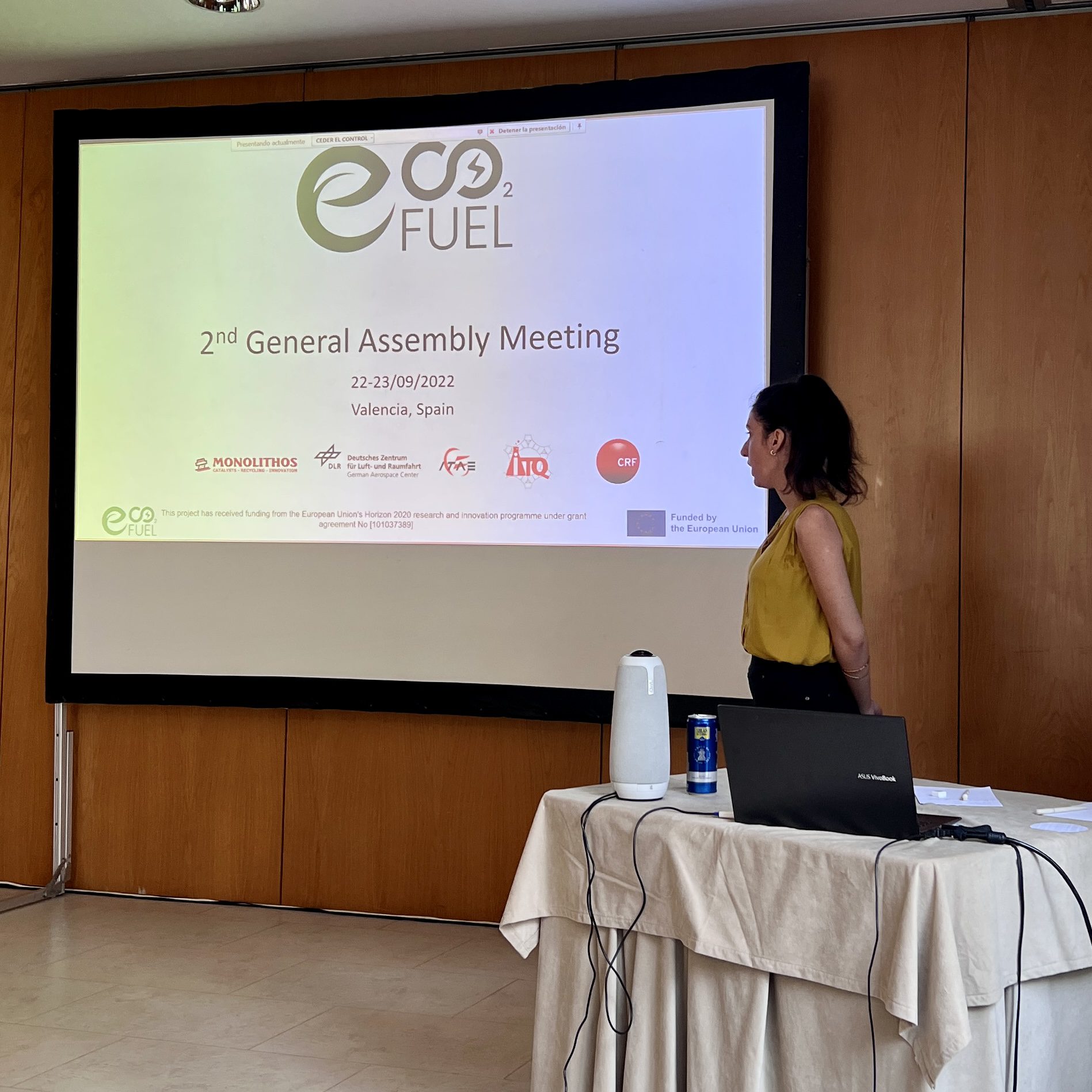
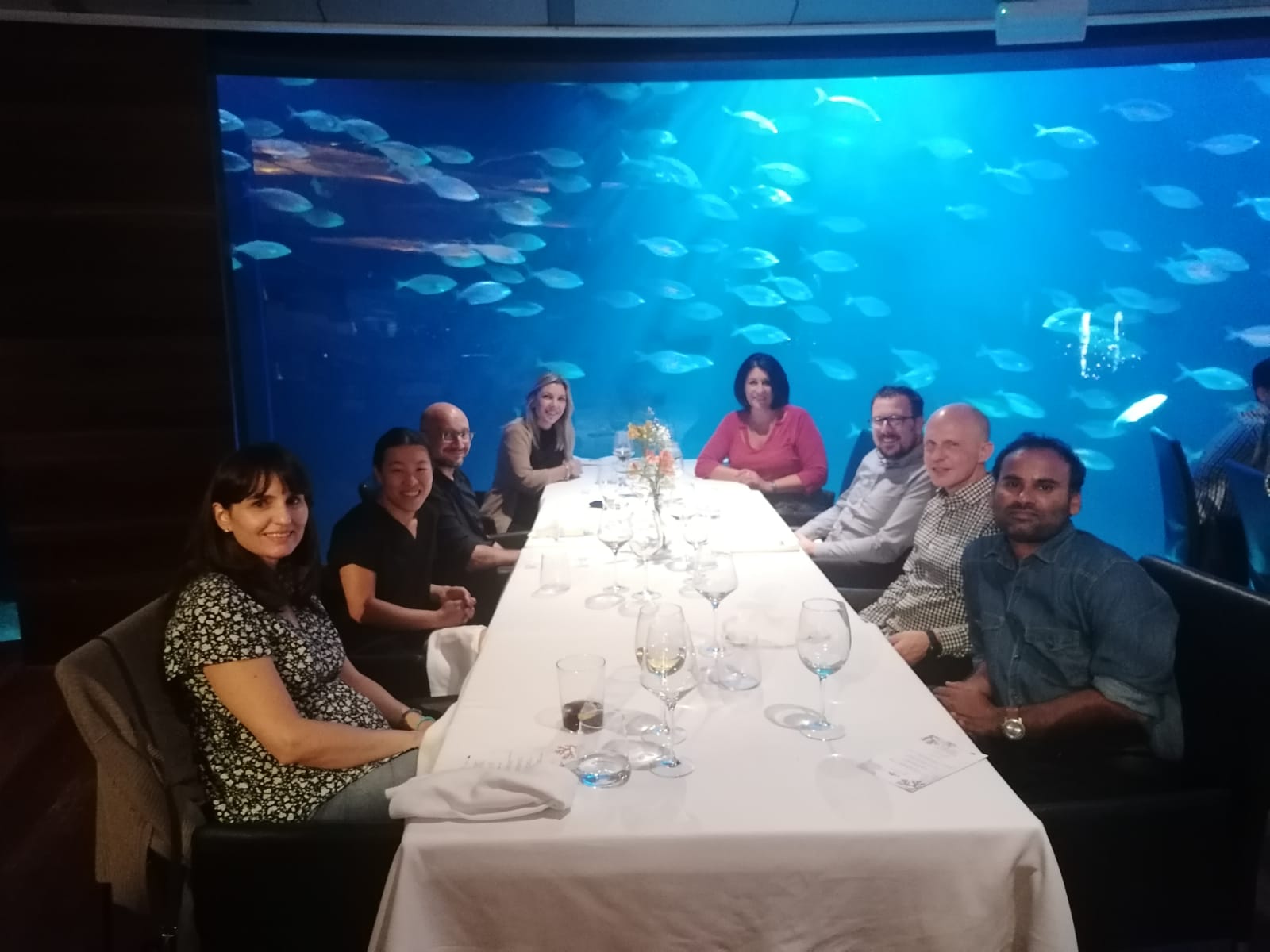
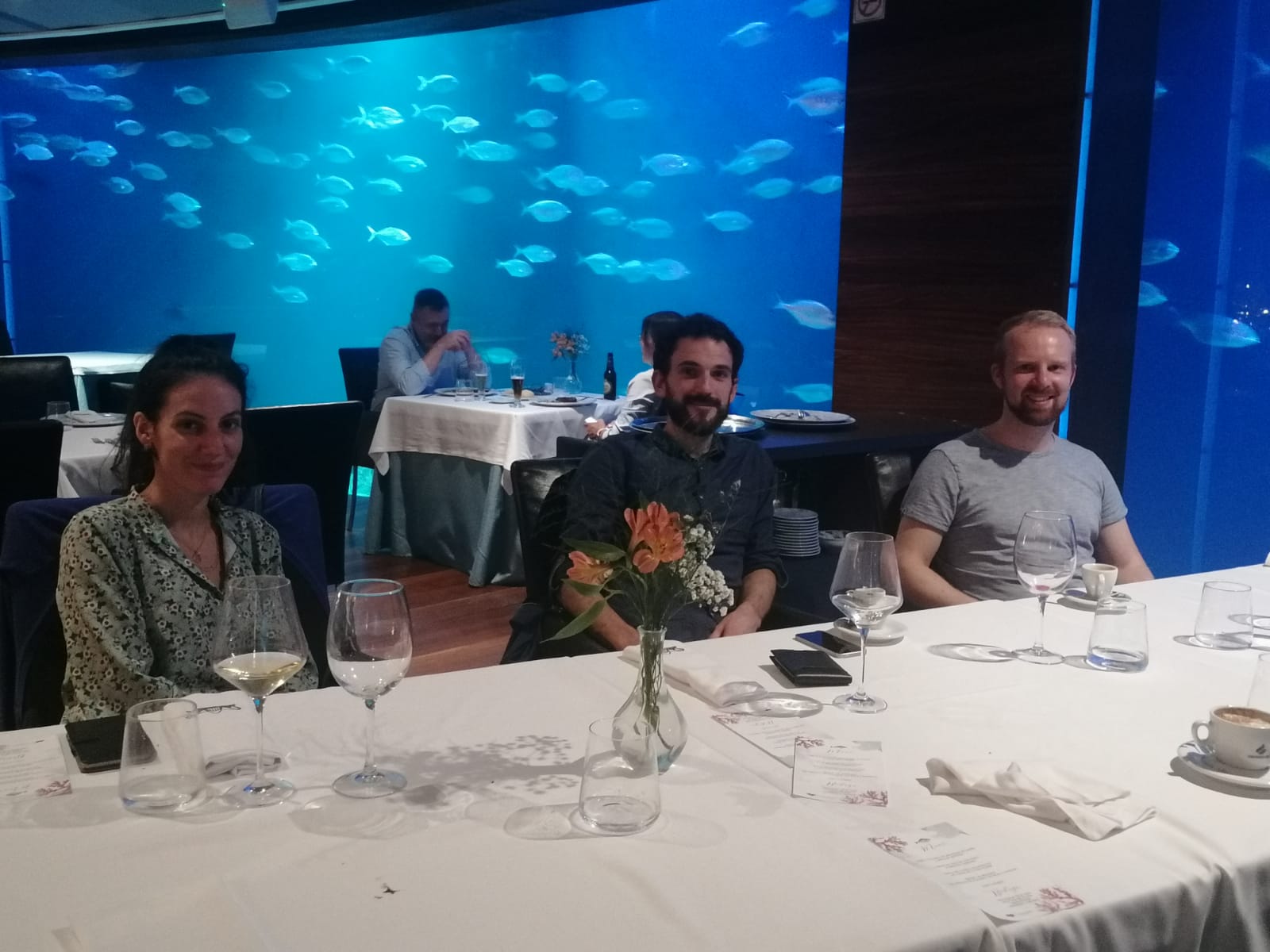
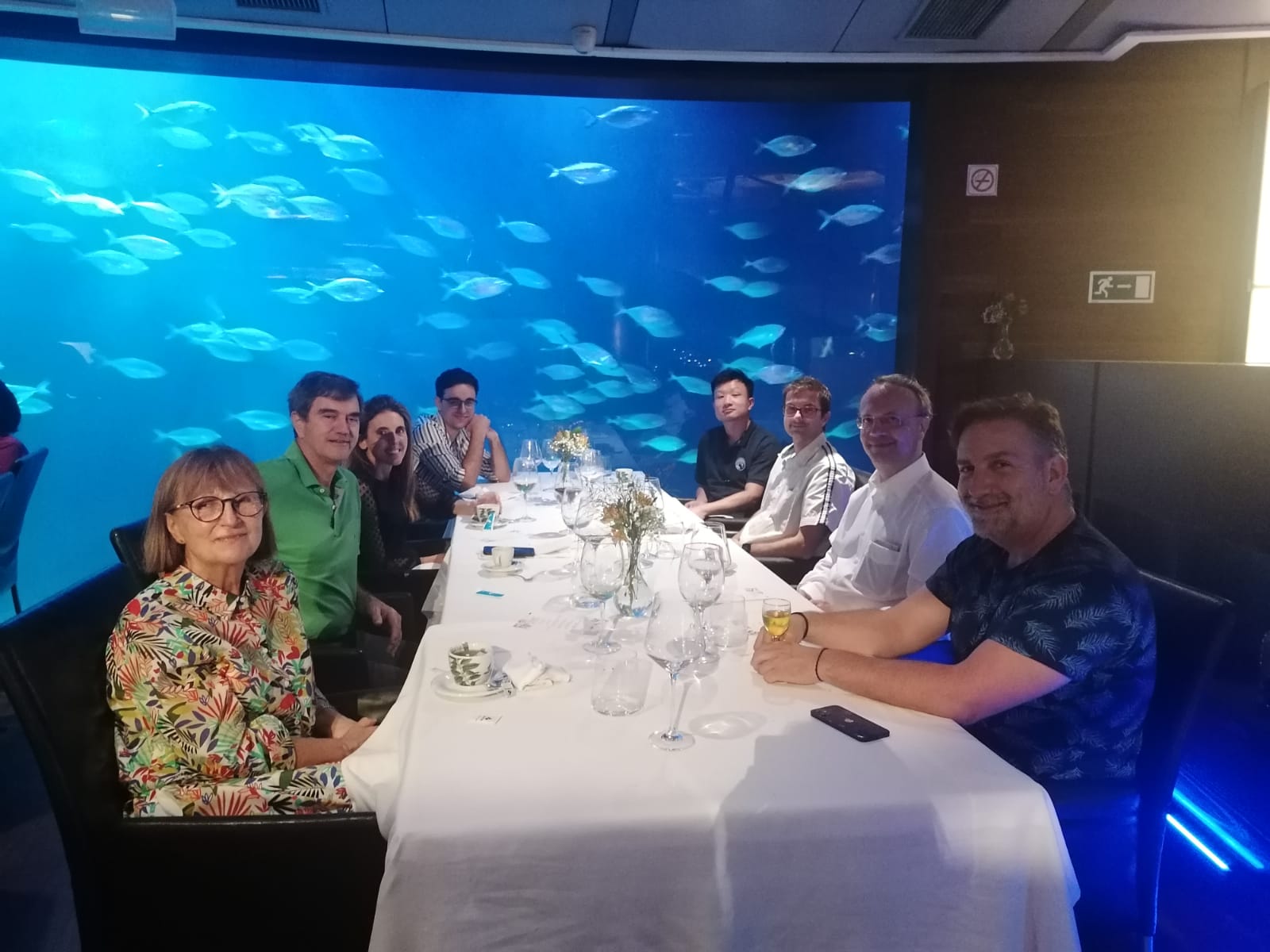
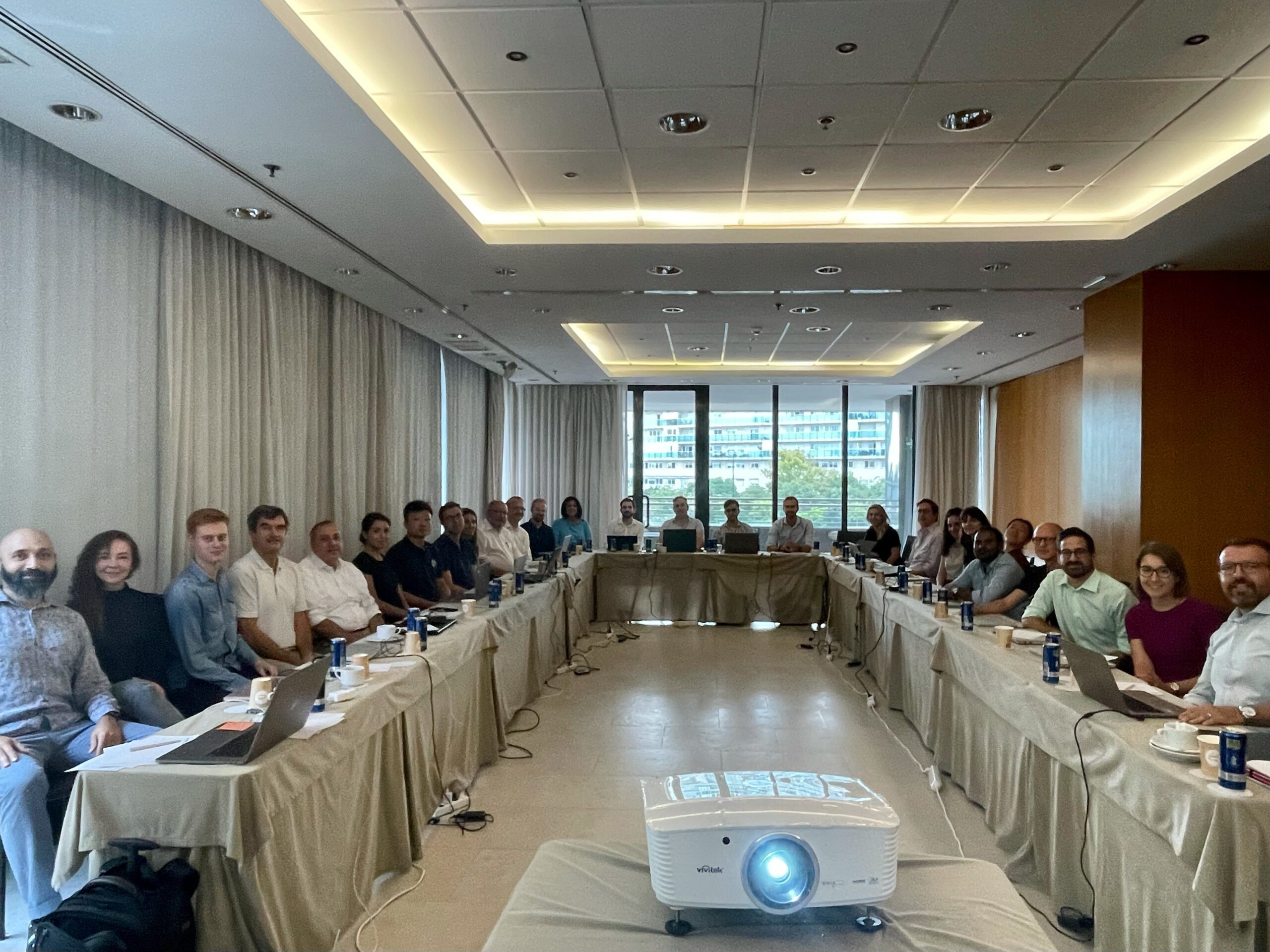
The project’s consortium met physically last week in Valencia, Spain, for its second general assembly meeting to discuss the status of the activities and to plan the next steps to meet the project’s objectives.
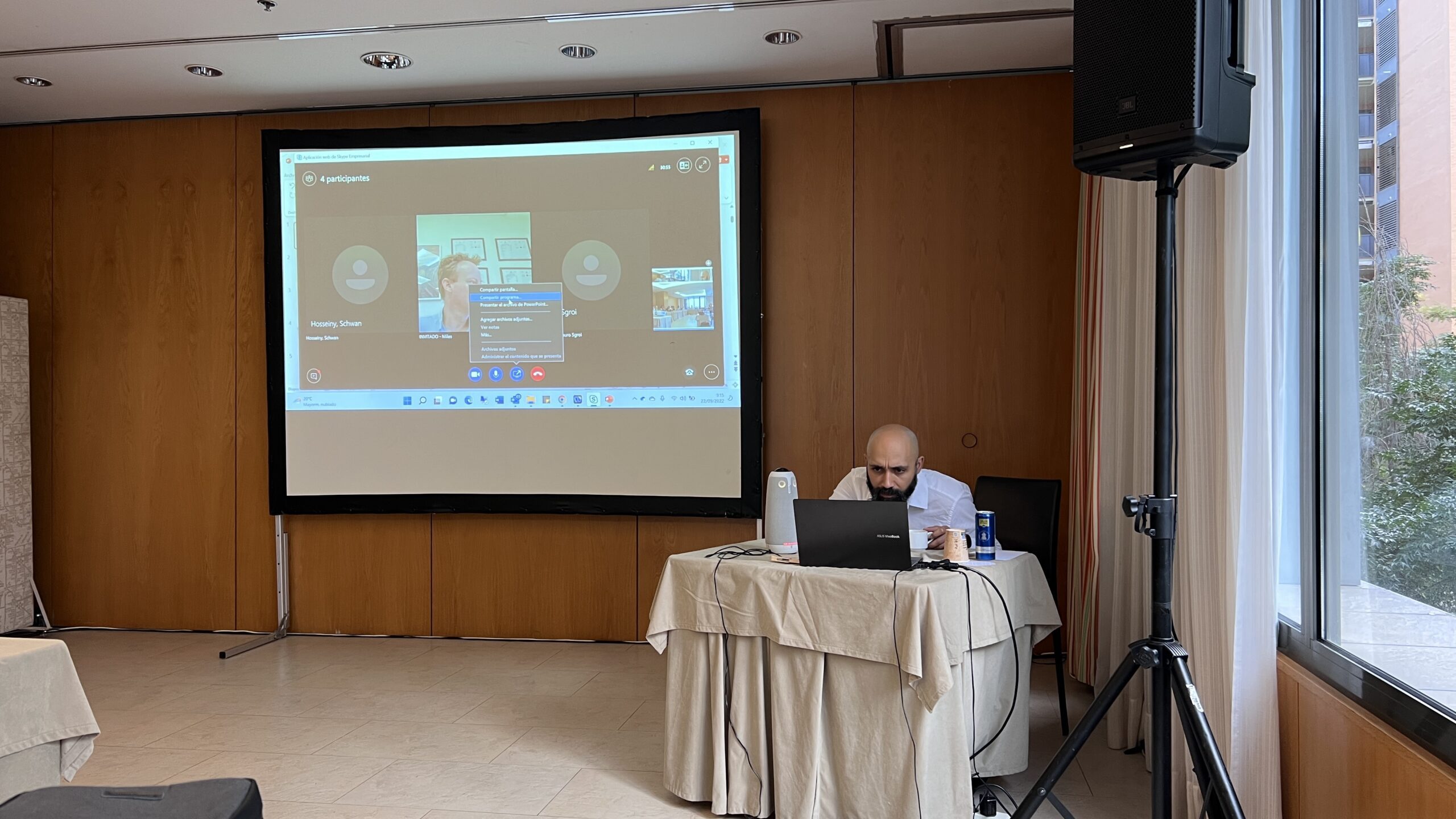
Project coordinator Dr. Schwan Hosseiny (DLR, Germany) started the meeting with a presentation about the current management status, followed by the work package presentations that the respective leaders held. The partners shared achievements and highlights, discussed important topics, and defined the next steps toward achieving the project goals.
The project meeting was complemented with two workshops: On day 1 Pieterjan Debergh and Dr. Metin Bulut from VITO (Belgium) organized a workshop on the ECO2Fuel value chain. Its purpose; working out each step of the value chain and define the benchmark applications (i.e., transport fuel and peak power). A proper definition of the value chain and benchmarks is essential to conduct the techno-economic and life cycle assessment. On day 2 Antonello Fiorucci from META (Italy) closed with a dissemination and exploitation strategy workshop.
The physical meeting highlighted once again how important in-person meetings are for interactive discussions and efficient and quick decision-making.
We are extremely proud to be selected as guest editors for the special issue “Applied Techniques for Electrochemical CO2 Reduction” of the journal energies (Impact Factor 3.252).
We are looking forward to receiving your high-quality communications, research papers and review articles that address primarily the applied science side of CO2 electrolysis, ranging from electrode and membrane fabrication, long-term studies, full-cell experiments, CO2 electrolysis stack design, and complete CO2 electrolysis systems.
The editorial board of this special issue consist of ECO2Fuel consortium members:
The reduction in CO2 emissions to prevent severe climate change is one of the most urgent challenges of the 21st century. The electrification of the transport, building, and industry sectors with green, renewable electricity has proven to tackle this human made dilemma effectively. However, some parts of these sectors, such as long-haul applications for freight, marine transport, aviation and some district heat and high heat processes, are not electrifiable and rely on carbon-based fuels.
Furthermore, many industrial products are based on fossils. Apart from biomass, which will always compete with food production, CO2 is a promising green carbon source that can be reconverted to carbon-neutral fuels or chemicals and fed back into a circular economy with no additional CO2 emissions if renewable energy such as wind or solar is used.
Especially, single-step electrochemical CO2 reduction bears great potential to allow economical and efficient production of carbon-neutral fuels and chemicals. However, significant challenges in process efficiency, cell design, electrode fabrication, and long-term operation must be addressed.
Therefore, in this Special Issue, we would like to discuss and report new results and bottlenecks towards applied techniques for single-step electrochemical CO2 reduction. The transition from potential materials on the small lab scale to the fabrication of well-performing systems concerning efficiency, selectivity, and stability will interest the community.
We aim to attract high-quality communications, research papers and review articles that address primarily the applied science side of CO2 electrolysis, ranging from electrode and membrane fabrication, long-term studies, full-cell experiments, CO2 electrolysis stack design, and complete CO2 electrolysis systems.
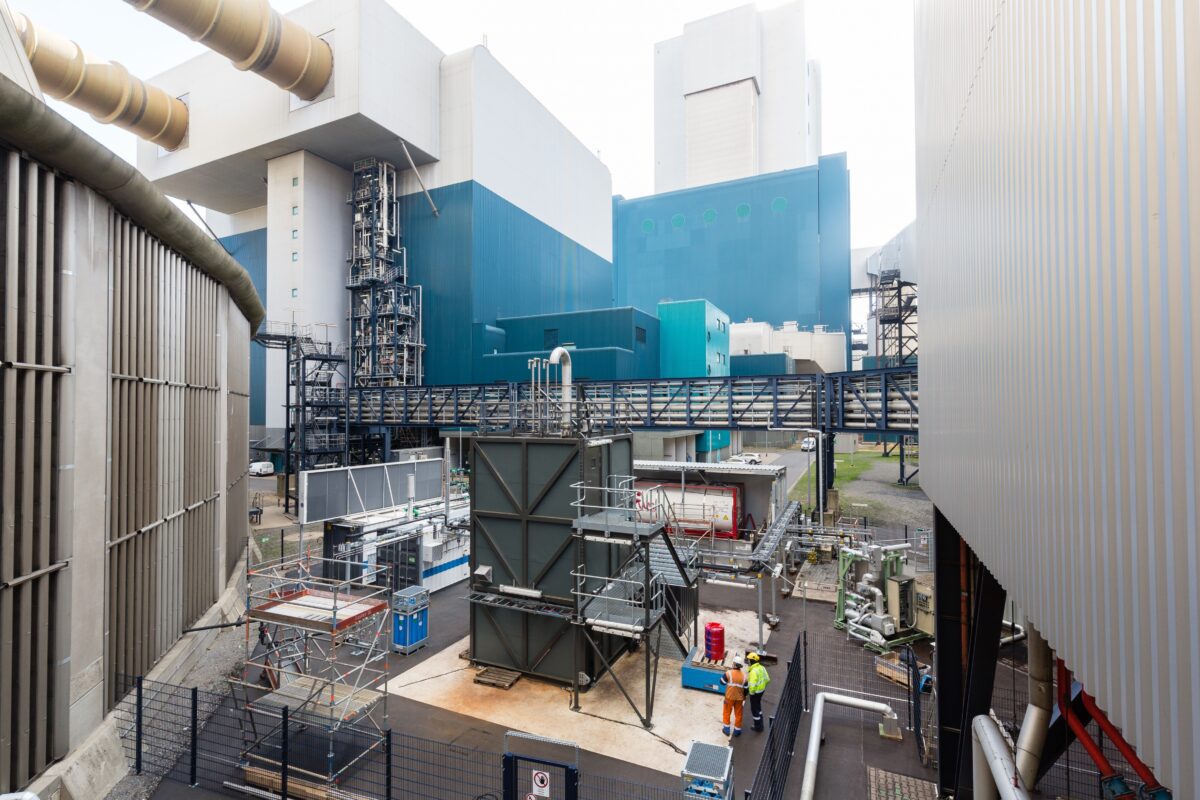
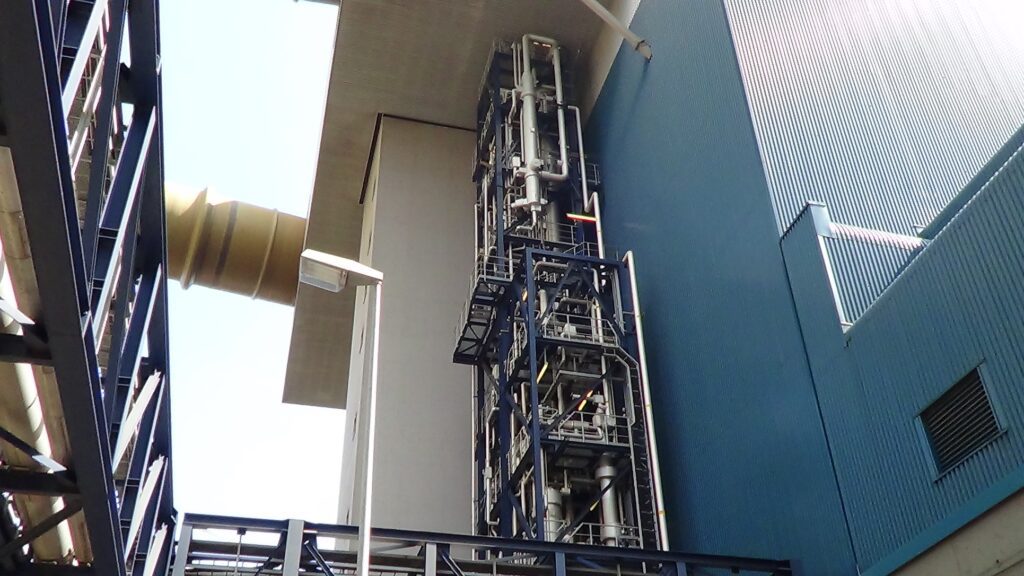
RWE’s amine-based post-combustion carbon capture pilot plant at Niederaussem supplies CO2 to the CCU Campus, where R&D demonstrators to convert CO2 into fuels and chemicals are tested, including the ECO2Fuel demonstrator expected in 2025.
CO2 source and sink for ECO2Fuel: co-electrolysis of CO2 and renewable power into e-fuel, emergency power generation from e-fuel and capturing CO2 from engine exhaust
Closing the carbon cycle by Carbon Capture and Usage (CCU)
Worldwide unique benchmark in long-term tests of a carbon capture pilot plant
Celebrated by international experts on carbon capture on June 14, 2022
World record: The CO2 scrubber in the RWE Innovation Center Niederaussem recently reached a special milestone with 100,000 operating hours. No other comparable system has so far achieved a similar runtime.
Since the commissioning of the research facility connected to the neighboring power plant in 2009, the widely applicable climate protection technology for reducing CO2 emissions from industrial exhaust gases has been continuously tested and improved.
RWE’s amine-based post-combustion carbon capture pilot plant at Niederaussem supplies CO2 to the CCU Campus, where R&D demonstrators to convert CO2 into fuels and chemicals are tested, including the ECO2Fuel demonstrator expected in 2025.
The separated CO2 is used as a carbon source in several research and development projects in RWE’s innovation center for the production of sustainable fuels and chemicals and is also partly made available to external research projects.
For years, the carbon capture pilot plant at Niederaussem has been an important platform for international cooperation in the further optimization of this technology, which is essential for cross-sector climate protection.
RWE’s amine-based post-combustion carbon capture pilot plant at Niederaussem has surpassed 100,000 operating hours.
Around 50 experts from industry, research and project sponsors from the Netherlands, Norway, Great Britain and the USA took part in a small ceremony to mark the special occasion in the Innovation Center. Among them are the partners of the transatlantic LAUNCH project, which aims at lowering the consumption and ageing of the solvent in CO2 separation systems.
Congratulations were received from the international partners of the current CCU projects at Niederaussem: ECO2Fuel (co-electrolysis of CO2 and water to C1-C4 alcohols) and the predecessor project LOTER.CO2M (co-electrolysis of CO2 and water to carbonaceous fuels), Take-Off (methanol and dimethyl ether from CO2 and H2 as intermediates for synthetic aviation fuel), and OCEAN (coupled co-electrolysis of CO2, water and glycerol to formate as intermediates for e-chemicals such as oxalic acid).
In the ECO2Fuel project, the carbon capture pilot plant at Niederaussem will be used to demonstrate multiple CO2 cycles by capturing CO2 from the exhaust gas of an emergency diesel generator running on synthetic fuels, converting the CO2 back into synthetic fuel via co-electrolysis, and again using this fuel to generate emergency power, closing the carbon cycle.
The R&D projects for CO2 capture in Niederaussem pave the way to a carbon cycle economy, for example in sewage sludge, biomass and waste incineration plants. If the utilization of CO2 and regenerative power generation is coupled, a closed carbon cycle for climate-neutral chemicals and fuels is built. This means a big step towards sector coupling and more security in the supply of electricity and raw materials, greater stability in the electricity grid and further significant reductions in emissions.
Background CO2 scrubbing at the Niederaussem Innovation Center
As part of international research projects, RWE is pushing ahead with the development of CO2 scrubbing technology. As the first system at a power plant in Germany, the pilot system for CO2 scrubbing was built in 2009 in cooperation with the companies BASF and Linde in the innovation center in Niederaussem.
Here, for example, it was clarified which CO2 solvents can be used to clean the flue gas of CO2 particularly effectively, economically and in an environmentally friendly manner. The solvent absorbs the CO2 from the flue gas in an absorber and is regenerated in a desorber, releasing the CO2. The CO2 obtained in this way can be used together with sustainably produced hydrogen for the production of fuels and basic chemicals as well as for energy storage.
The CO2 scrubbing pilot plant in Niederaussem supplies projects for CO2 use and sector coupling with high-purity CO2 and also serves as a test platform for the further optimization of the separation technology.
In the innovation center’s pilot plant, around 300 kilograms of carbon dioxide are captured per hour. This corresponds to a CO2 separation rate of 90 percent for the processed amount of flue gas. The plant has an excellent availability of more than 97% and has been in operation almost continuously since 2009.
The process and the technology required for CO2 scrubbing are designed in such a way that a wide range of industrial processes can be equipped with the appropriate systems. These include, for example, biomass, waste and sewage sludge incineration plants as well as cement and steel works.
The membrane is at the heart of any electrochemical membrane reactor, with the general tasks of separating the anode and cathode electrodes and chambers from each other while allowing ion conduction to complete the electrochemical circuit.
However, for the ECO2Fuel technology, the membrane must fulfil three additional tasks to allow the efficient conversion of CO2 into green fuels and valuable chemicals:
High ion conduction
The conductivity of ions through the membrane dictates the ohmic resistance and therefore the energy efficiency of the ECO2Fuel technology. High ion conduction means low ohmic resistance, leading to better energy efficiency.
Alcohol exclusion
The ECO2Fuel technology produces among other carbonaceous chemicals also alcohols by combining CO2, water and electrons from renewable sources. However, ion-conducting membranes normally swell in contact with alcohols, allowing them to cross from the cathode to the anode chamber.
Alcohols that cross the membrane to the anode chamber will face the anode electrode, where they will be oxidised back to CO, reducing the efficiency of the technology. Therefore, membranes in the ECO2Fuel technology need to possess ultra-low alcohol crossover.
Salt exclusion
Finally, the ECO2Fuel process relies on a supporting alkaline electrolyte (salt) to maintain optimum conditions for the electrochemical reactions.
This electrolyte is introduced on the anode electrode, whereas the CO2-to-fuel conversion occurs in the cathode. Only the membrane prevents access of salt to the fuel output line, the third critical function of the ECO2Fuel membrane.
Achieving these three tasks together, Ion conduction, alcohol and salt exclusion, is especially challenging.
In ECO2Fuel, Hydrolite directs the membrane development work package and will develop membranes with unique separation properties, allowing high performance and robustness for the ECO2Fuel technology.
To implement molecular-scale and solution-phase sieving effects tailored to the specific species that need to be excluded to achieve the selective passage of the various reactants and products to where they are needed, Hydrolite is taking advantage of their advanced fabrication techniques.
Our academic partners in the consortium – CNR (Italy), DTU (Denmark), DLR (Germany) and UPV (Spain) provide critical feedback in the form of characterization and evaluation of these speciality components.
Hydrolite also works closely with industry partners including Electrolyzer Stack designer Vito (Belgium) to refine specifications – assuring that required separation and sealing quality are achieved, and Membrane-Electrode Assembly developer De Nora (Italy) to help achieve optimal integration between membranes and electrodes, and thus maximizing the overall performance of the Electrolyzer device.
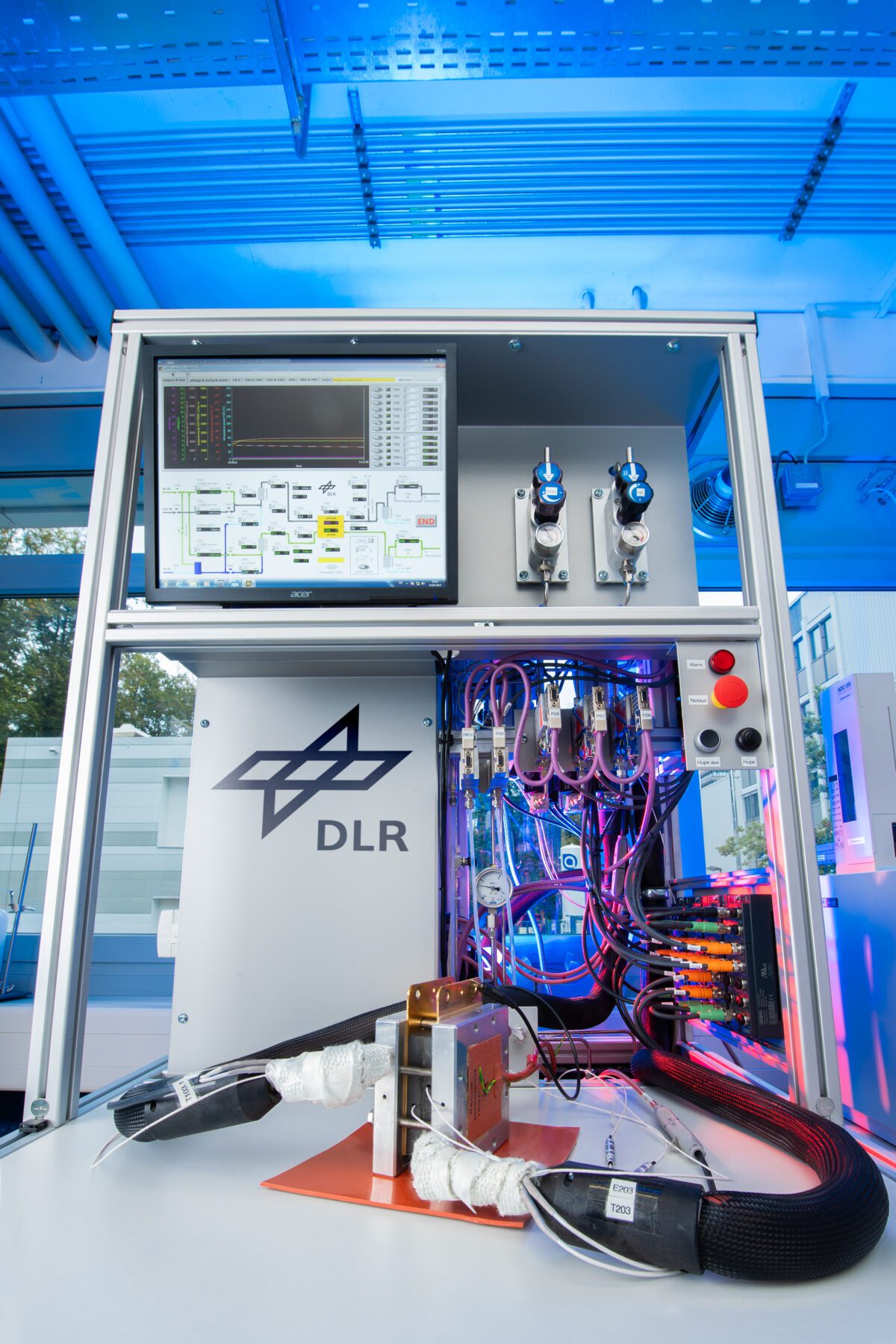
The DLR Institute of Engineering Thermodynamics in Oldenburg is mainly involved in two topics of the ECO2Fuel project: the characterization of the membrane and the optimization of the electrodes.
The heart of the electrolysis cell
The membrane is the heart of the cell and responsible for separating the anode and cathode and transporting anions between the two electrodes. The ion-conducting properties of the membrane are a decisive factor in the performance of the electrolysis cell. However, the membrane is also susceptible to chemical or mechanical degradation.
For these reasons, a comprehensive characterization of the performance and stability properties is essential.
These are being investigated using various methods at DLR in Oldenburg, including the dynamic mechanical analysis (DMA).
DMA is a technique where a stress is applied and the strain in the material is analyzed, used to characterize a material’s mechanical properties as a function of the applied stress, temperature, time, atmosphere, or a combination of these parameters.
For the CO2 electrolysis application in ECO2Fuel we investigate the membrane properties in a liquid environment under temperatures from 0 to 100°C. We try to be as close as possible to the operation conditions in the electrolysis cell, which is why the information about the membrane’s properties derived by DMA is crucial for designing the ECO2Fuel’s stack and system.
DLR Oldenburg focuses on developing stable catalyst inks
Regarding electrode optimization, DLR in Oldenburg focuses on developing stable catalyst inks for spray coating on the anode. The catalyst ink consists of the catalyst for the anode reaction, a binder material, and a solvent.
While DLR Oldenburg is not active in developing the catalyst, the materials that accelerate the reaction of CO2 into valuable chemicals, we are focusing on the ink composition.
For the ink, the binder serves has a twofold purpose: it serves as literally a physical binder, holding the catalyst layer (CL) together, on the other hand it is needed as an ion conductor through this layer. That is why the binder in most cases is a polymer material with the same chemical structure as the membrane. Thus, in order to have a good ion conduction, sufficient binder has to be implemented into the CL.
Too much binder leads to a performance decrease since it is blocking the transport of the educts and products through the layer. A well-designed catalyst layer usually has an amount of about 10-40 wt% binder.
The choice of the solvent on the other hand plays an important role for spray coating and the structure of the CL. The solvent is the carrying media in which the catalyst and the binder need to be homogeneously dispersed to allow spraying them onto the electrodes at which the reactions of the ECO2Fuel system will occur.
The ink needs to have a viscosity of maximum 100 mPas, so it can be atomized (sprayed). Isopropanol with a viscosity of 2.4 mPas is well-suited to serve here as a solvent that can easily evaporate during the coating process without applying high temperatures that could damage the membrane or ionomer.
This property allows achieving homogeneous distribution of the catalyst and the binder in the CL, which is critical for achieving high performances in the ECO2Fuel System.
Additionally, surfactants will be added to the ink to increase its stability. Monitoring the stability is done with Dynamic and Electrophoretic Light Scattering (DLS and ELS) and just observing the sedimentation of particles over time inside the catalyst ink.
To have a good understanding of the real sustainability impact of the ECO2FUEL technology we use an integrated assessment including economic, environmental, and social aspects.
By integrating the three aspects in one assessment, the ECO2FUEL process as well as its full value chain can be understood and optimized towards the most sustainable configuration.
We map all costs and environmental impacts across the value chain and take into account the avoided impact of the fossil based liquid fuels that are substituted by the CO2 based liquid fuels.
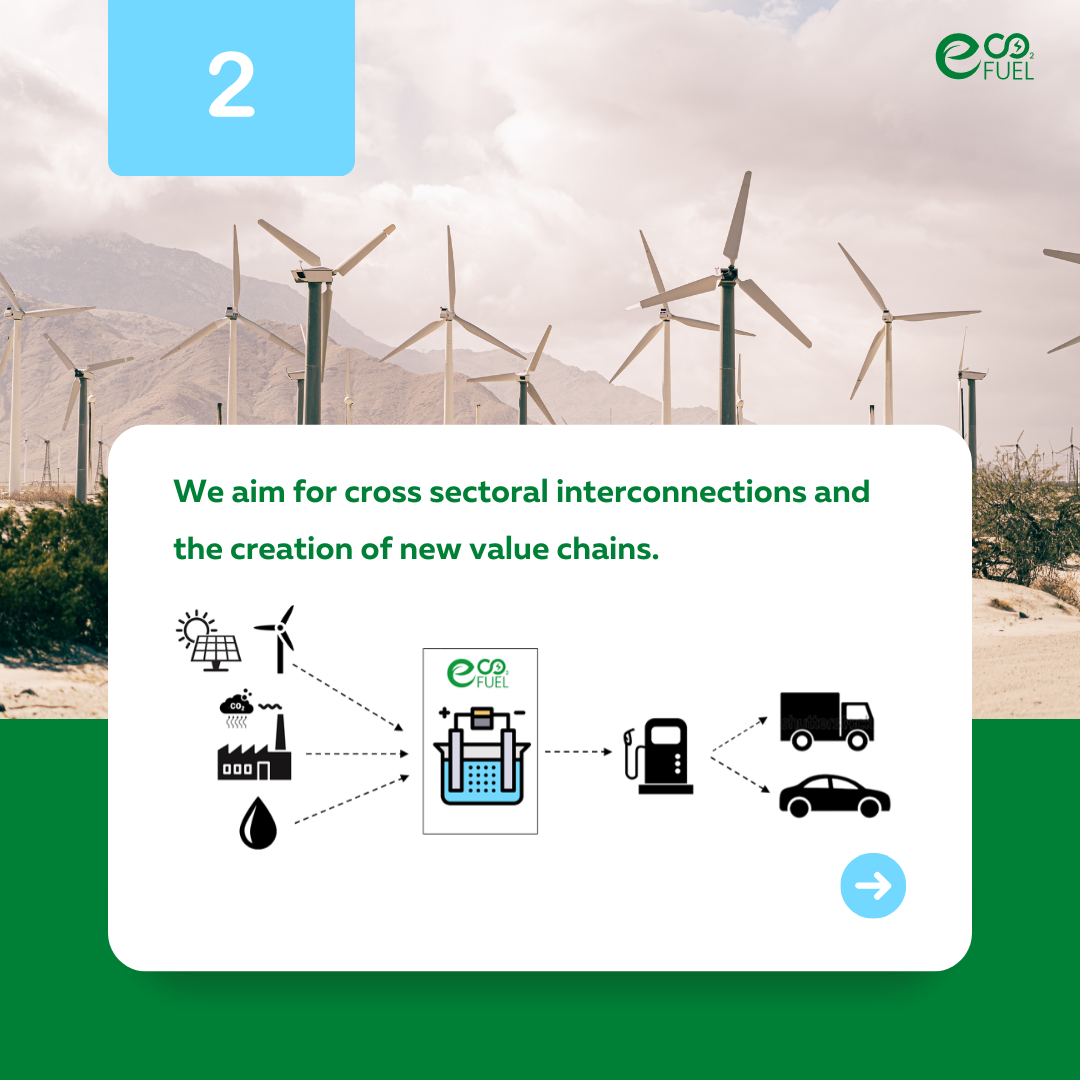
We aim for cross sectoral interconnections and the creation of new value chains which implies that a large variety of stakeholders will be involved, and it is important that they all understand the impact of their activities on the sustainability of the applications. Only then these green molecules can enter the market. Having both the detailed assessment results and the integrated results, allows for informed decision making.
Within ECO2FUEL partners and stakeholders are involved across the full, new value chain which is crucial to better understand the complexity and interconnections. In each step of the value chain multiple options are available, e.g. which renewable energy or CO2 sources to target or which market for the end-product.
We will organize an interactive workshop to bring all insights from the different actors together, identify the synergies and potential barriers. This will improve the interactions and sharpen the focus to come to a successful and sustainable business case.
Cookies
We serve cookies. If you think that's ok, just click "Accept all". You can also choose what kind of cookies you want by clicking "Settings".
Read our cookie policy